Five farms, one digester, and VS destruction from 27% to 47%.
Five farms' manure blended into one recipe, and the organic loading rate quietly ran to nearly 2x design because nothing measured the blend in real time.
TL;DR
- Five dairy farms fed one digester, and their manure wasn't the same — volatile solids ranged from about 2% to over 7%, a roughly 3x swing that loading by volume can't see.
- Blended without a real-time signal, the organic loading rate ran to nearly 2x the design basis, and VS destruction sat at 27% against a 47% design target.
- Claritix Spectrum put real-time eyes on the equalization pit; rebalancing toward the 6.5% VS design basis is worth on the order of $2.4M a year at $45/MMBtu.
Volatile solids destruction is the closest thing a digester has to a report card. It says how much of what you fed actually got converted. At 27%, against a 47% design basis, this plant was throwing away most of its feedstock. Nobody knew, because nobody had a reference point.
Where the load goes invisible
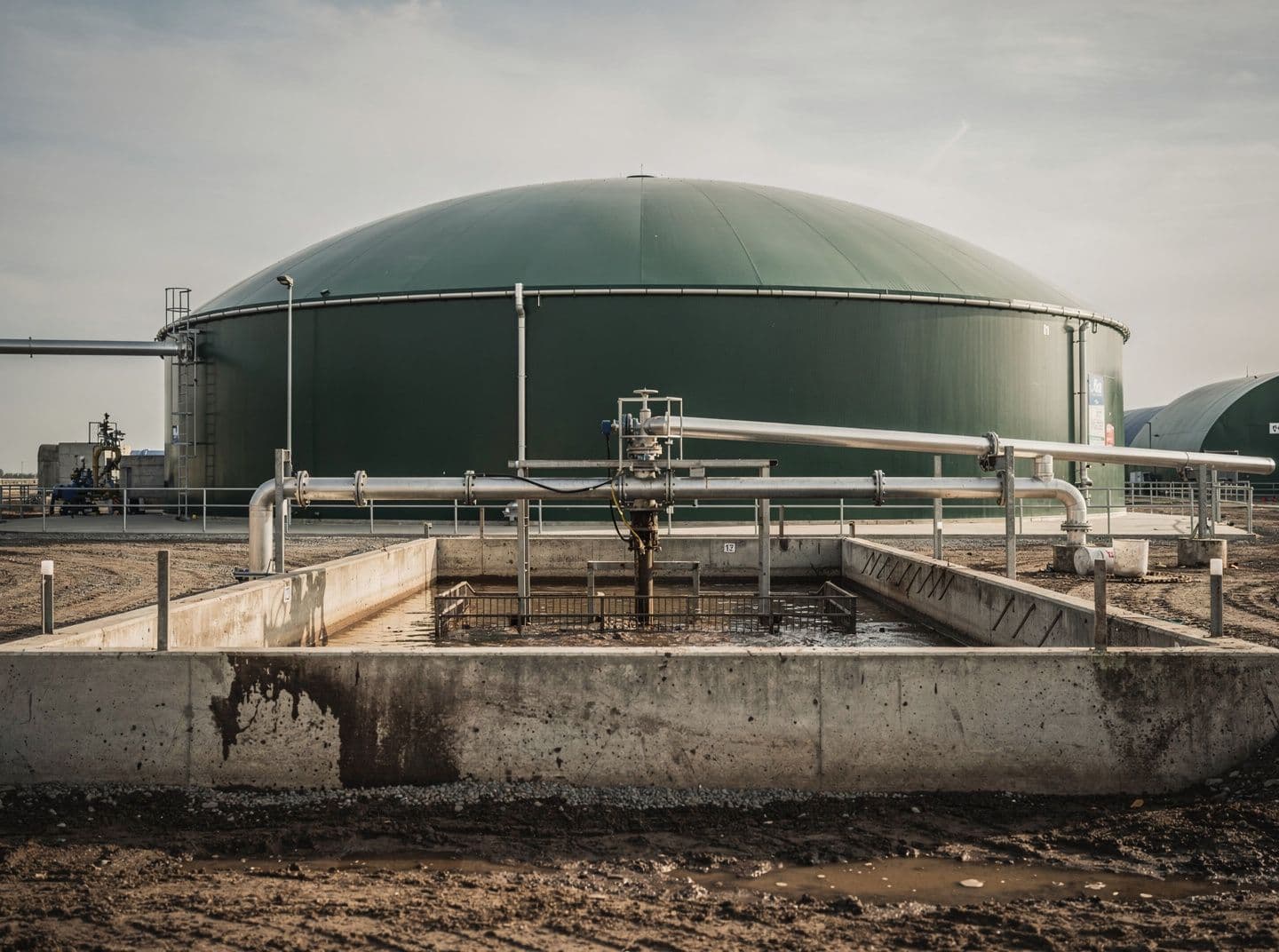
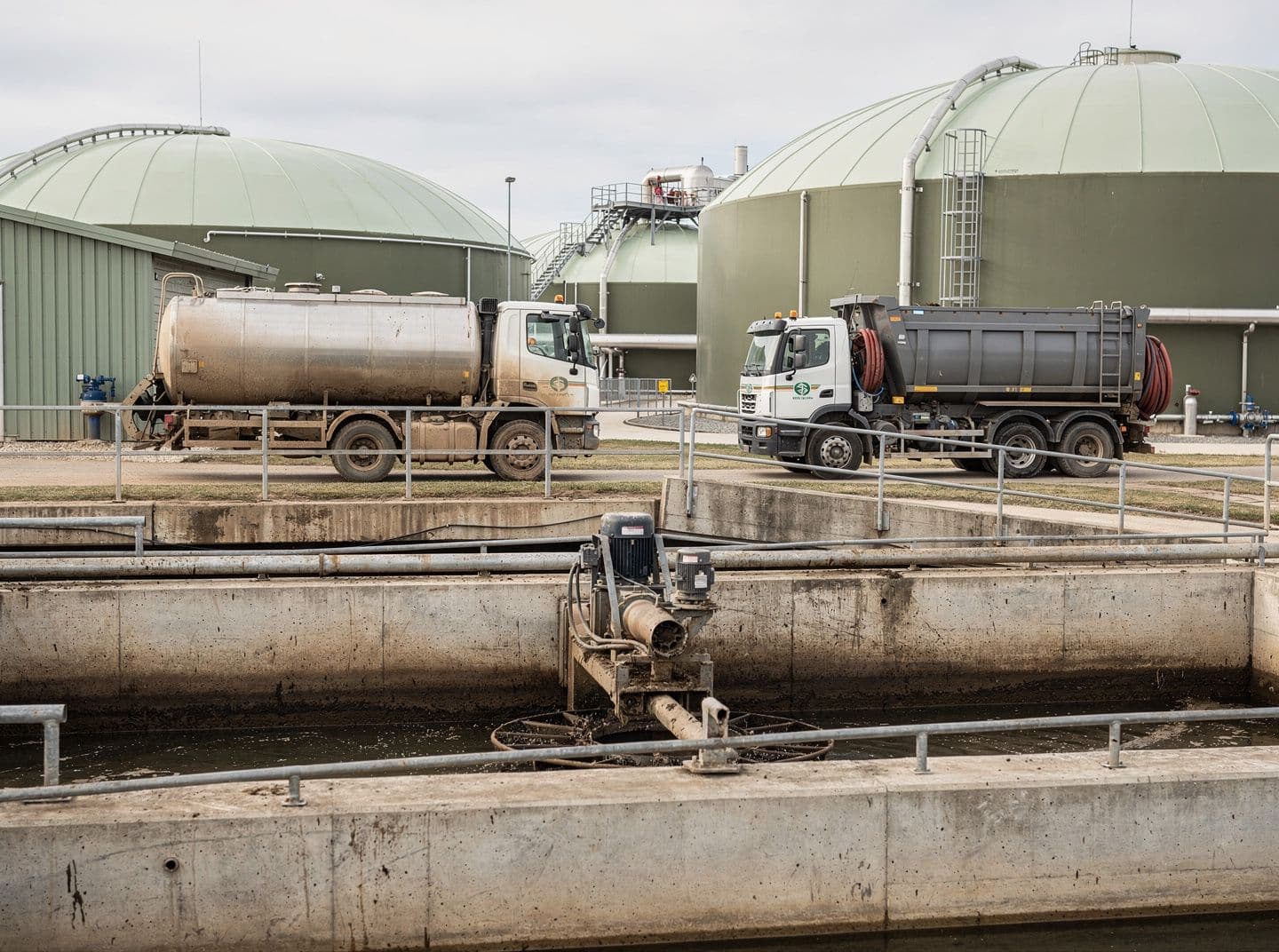
Five farms is five feedstocks. Each ran a different herd, a different bedding, a different scrape schedule, and volatile solids across them spanned roughly 2% to over 7% — a swing of about 3x. The ranking even flips depending on how you measure: the most dilute farm carries the highest methane potential per gram of VS, so loading by volume quietly mis-weights every delivery. No alarm fires and the pump runs as programmed, but the blend reaching the digester wandered well above the plant's 6.5% VS design basis, and the organic loading rate ran to nearly 2x design, an overload that suppresses conversion efficiency.
What Spectrum changed
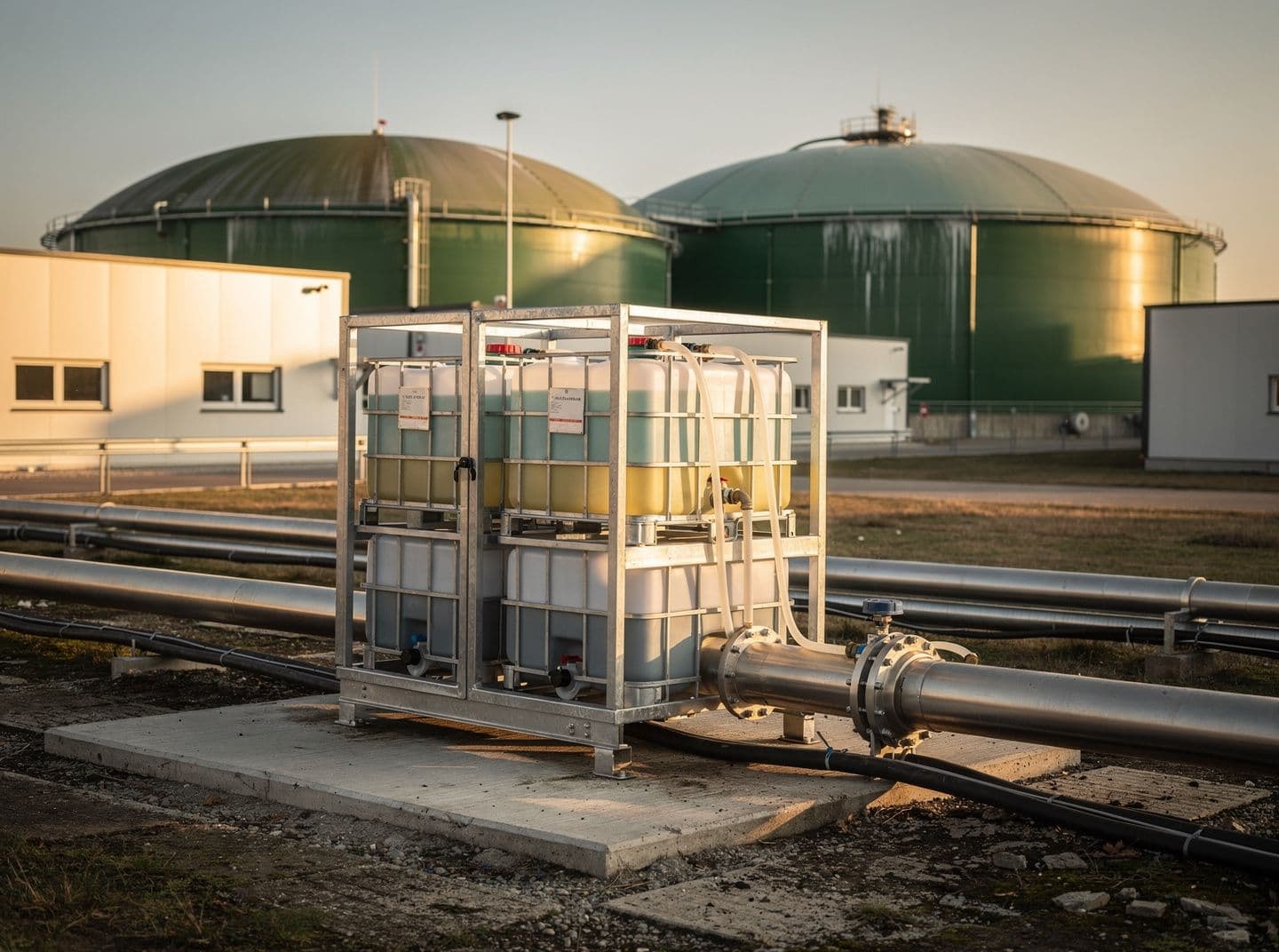
Claritix Spectrum put real-time eyes on the equalization pit: VS and organic loading rate in minutes, not a lab result days later. A 90-day record confirmed the cause and gave the operating team a live signal to balance the pit back toward the 6.5% basis, adjusting blend and supplementation in real time.
- VS destruction moving from 27% toward the 47% design basis.
- $2.4M a year in identified opportunity at $45/MMBtu, on closing the gap.
- A one-time operating change, not a chemical crutch — the fix holds because the signal is continuous.
Read this one carefully
This is an opportunity identified and a stabilization in progress, not yet a fully booked recovery. It's the gap between what the plant was converting and what the same plant can convert once it can see its feedstock — a real number on real meters from a 90-day monitoring log, with efficiency gains still being confirmed.