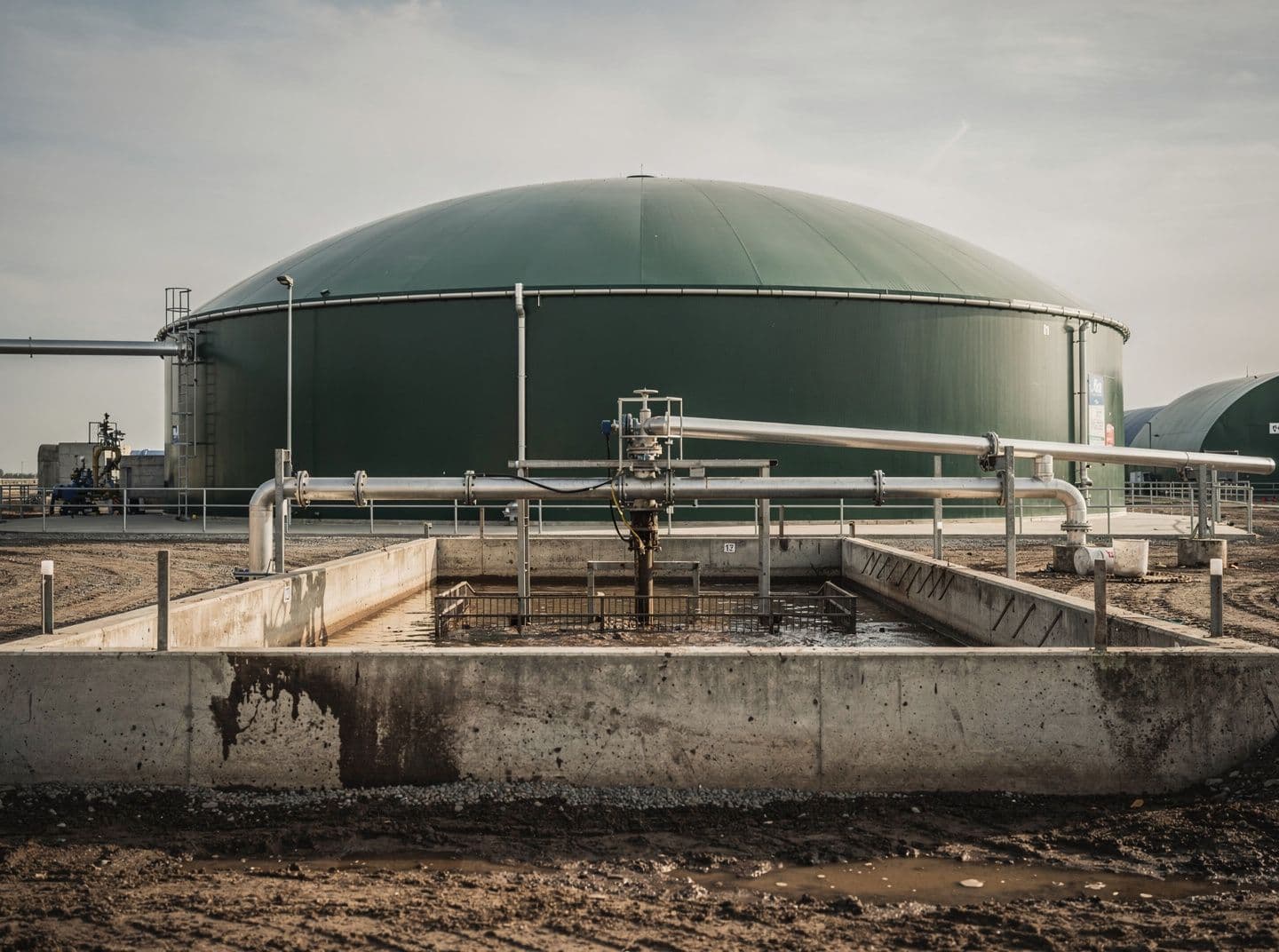
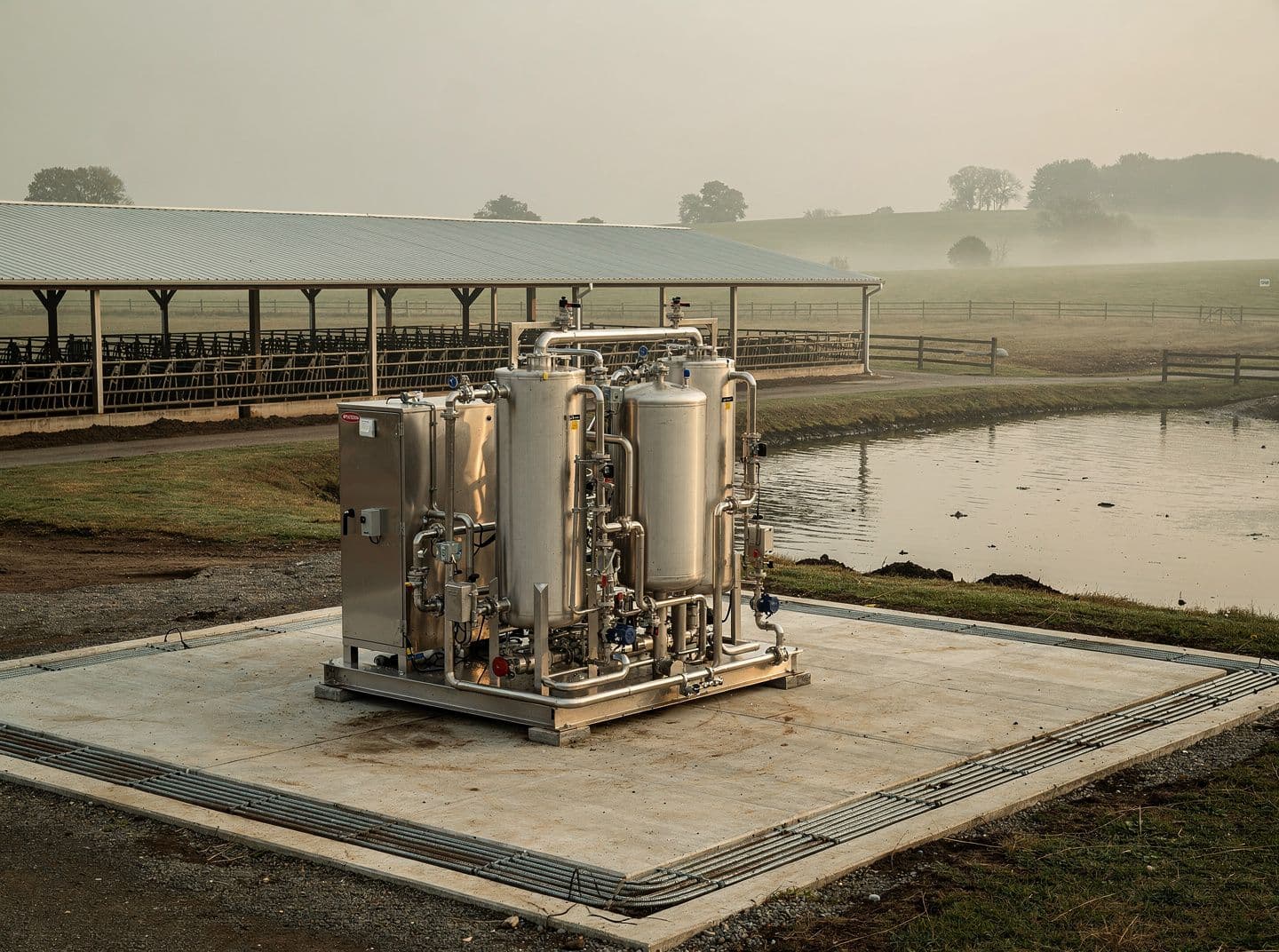
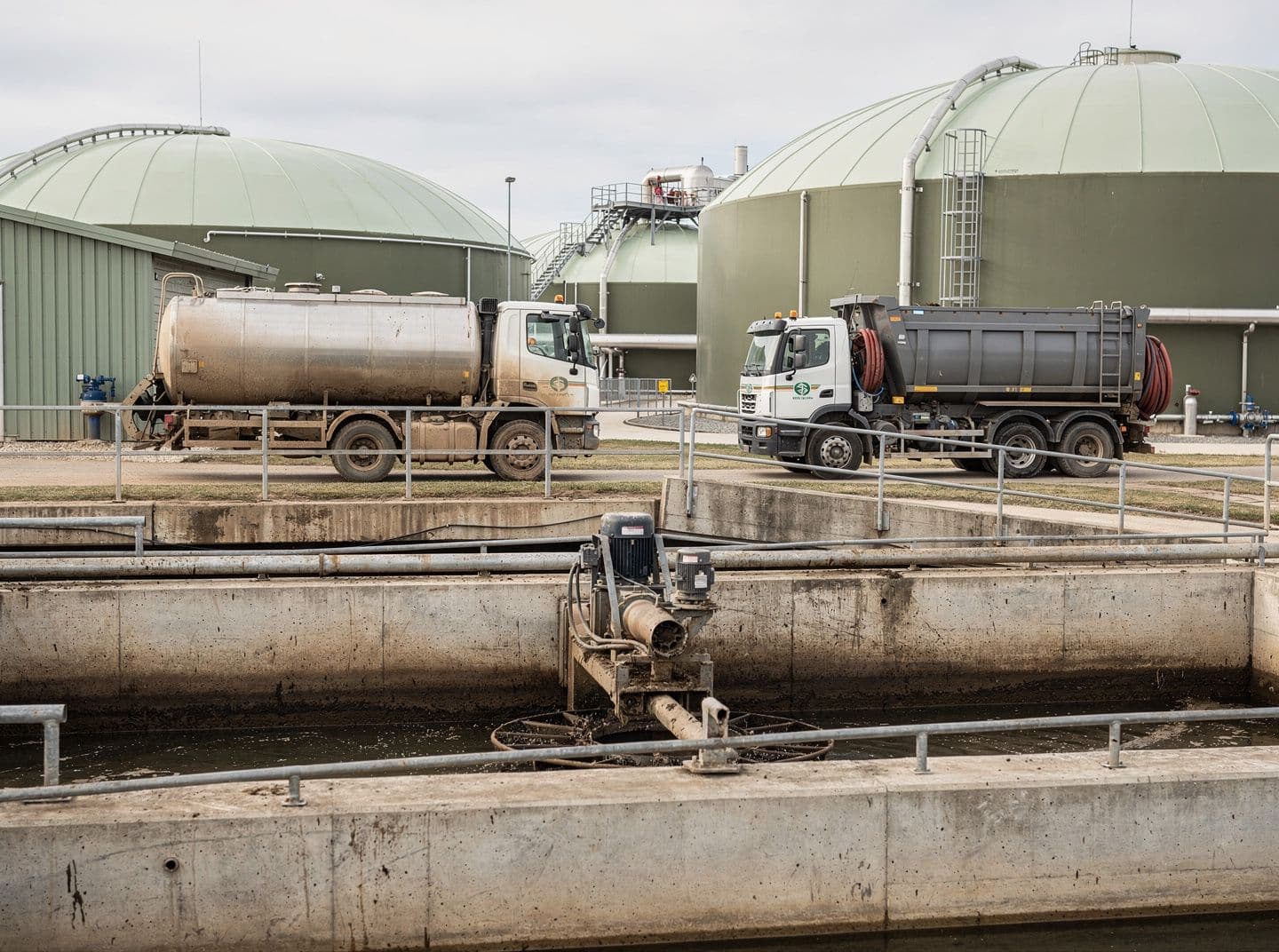
An Italian digester found 7.4% more biogas per ton.
Feed value was never measured per ton, so it was never optimized per ton.
TL;DR
- Feedstock was bought and fed by the ton, and valued by assumption.
- Enzyme dosing under Claritix Catalyze moved biogas yield +7.4% on the same feed, with lab work showing headroom to +10.1%.
- €142k a year on one digester today, and €194k a year at the lab ceiling — with no change to supply contracts.
This plant knew exactly how many tons it took in. It had no idea what those tons were worth, which meant every decision downstream of the weighbridge was made on faith.
Tons are not value
A ton of high-solids material and a ton of mostly water cost the same to haul and occupy the same tank space. They are not the same purchase. Without per-ton characterization the plant could not tell a good delivery from a bad one, so it treated them identically and fed them identically.
What Catalyze changed
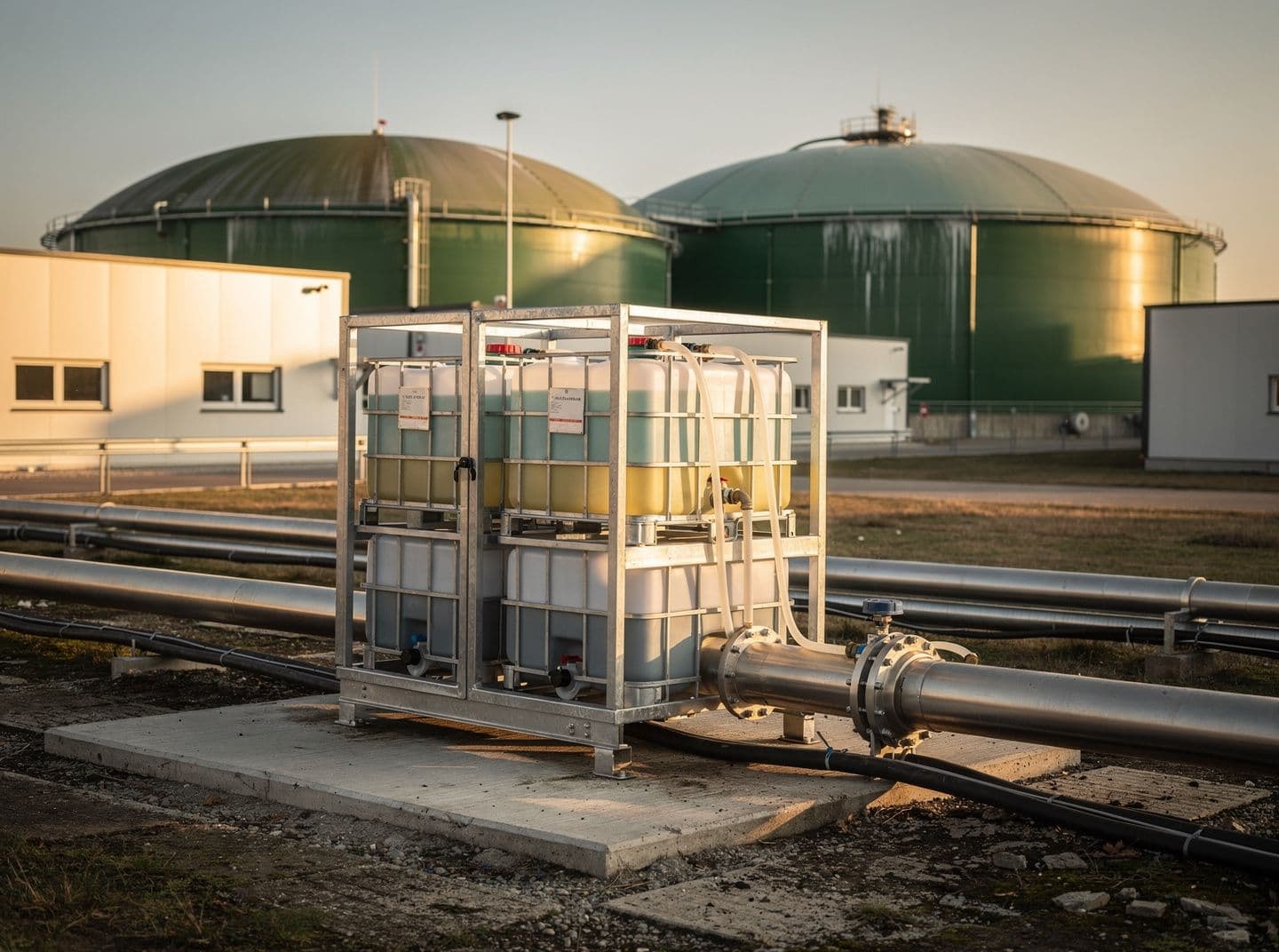
Claritix Catalyze doses the plant's own microbial community rather than adding new feedstock. The result is a simple ratio of two things the plant already meters — biogas produced, divided by feed loaded — checked across matched operating days before and after dosing began. Biogas per metric ton climbed a clean +7.4%, from about 35.6 to 38.2 per ton, and the lab shows headroom to +10.1% on the plant's own microbial community.
- +7.4% more biogas per ton, measured on the plant's own meters.
- €142k a year on one digester, with the lab showing headroom to +10.1%, or roughly €194k.
- No new feedstock bought, no new equipment installed.
Why it pays
The plant is feed-limited and already runs near capacity, at about 0.83 MW average from a 1 MW engine. The gain doesn't come from buying more feed — it comes from getting more energy out of the feed already there, so the extra output drops almost straight to the margin, since the feed cost is already incurred.
The mechanism is the same one behind every result on this page: the plant already had the capacity, and was being asked to run it without the information.