What Is Your Digester Biology Trying to Tell You?
What happens when digester performance changes and operating data doesn't tell the whole story? Explore how microbial activity, feedstock characteristics, and methane production kinetics can help identify factors affecting biogas production and volatile solids conversion.
TL;DR
- Anaerobic digestion depends on four interconnected biological stages. When one stage can't keep pace with another, digester performance can suffer.
- Feedstock characteristics influence biological performance. Fibrous materials and readily degradable organics can present very different challenges.
- Methane production kinetics can help investigate declining performance by revealing how quickly and consistently a biological system converts substrate into methane.
Alchemyca Signals | October 20, 2026
Gas production is holding steady. pH is within range. Nothing in the daily operating report suggests a problem.
But what's happening inside the digester?
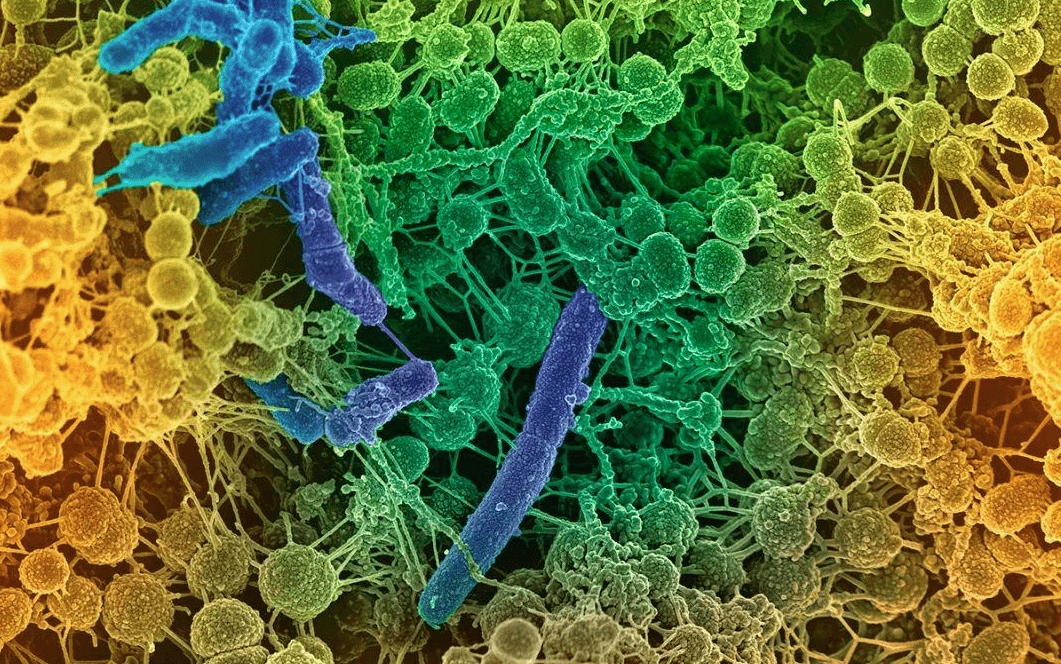
Anaerobic digestion depends on a community of microorganisms working together to convert organic material into methane. These organisms respond to changes in feedstock, loading, temperature, and other operating conditions. Some adapt quickly. Others take longer.
When performance begins to change, understanding how the biology responds can help explain what conventional operating measurements cannot.
Four Stages That Need to Work Together
Anaerobic digestion involves four biological stages, each carried out by different groups of microorganisms.
Hydrolysis: Complex organic materials such as carbohydrates, proteins, and fats are broken into smaller compounds.
Acidogenesis: Fermentative bacteria convert those compounds into volatile fatty acids (VFAs), alcohols, hydrogen, and carbon dioxide.
Acetogenesis: Other microorganisms convert intermediate compounds into acetate, hydrogen, and carbon dioxide. Many of these reactions depend on methanogens consuming the hydrogen produced.
Methanogenesis: Specialized microorganisms called archaea produce methane, primarily from acetate or hydrogen and carbon dioxide.
These stages don't proceed at the same rate.
When readily degradable feedstock enters a digester, acid production can accelerate faster than downstream microorganisms can consume the resulting compounds. VFAs may begin to accumulate, even while the digester's buffering capacity keeps pH relatively stable.
That's one reason operators monitor VFA concentrations and alkalinity alongside pH. Together with gas production and other process measurements, they provide a better indication of whether the biological process is maintaining its balance.
The Feedstock Makes a Difference
The biological constraints in a digester depend partly on what it's being fed.
For a facility processing fibrous material such as dairy manure, hydrolysis may be the limiting step. Cellulose and other complex compounds must be broken down before microorganisms can convert them into methane.
A digester receiving readily degradable food waste may face a different challenge. Fermentation can proceed rapidly, creating more intermediate compounds than downstream microorganisms can process.
As a result, increasing the organic loading rate may improve methane production in one facility while creating instability in another. The outcome depends on the feedstock characteristics, operating conditions, and the capacity of the biological system to process the additional material.
What Methane Production Patterns Can Reveal
When gas production or volatile solids conversion declines, operators can see the impact. Finding the cause may require a closer look at how the biology is responding.
Methane production kinetics provide one way to investigate.
In a laboratory test, methane production can be measured over time to understand how a biological system responds to a substrate. The rate of production, timing of the response, and overall pattern can provide useful information.
Under favorable conditions, methane production may rise relatively quickly, reach a peak, and then decline as the available substrate is consumed.
Other responses may show delayed production or multiple peaks. These patterns can be consistent with inhibition, microbial adaptation, or differences in how the substrate becomes available for conversion.
Examining the production pattern can reveal differences that might be missed by looking only at the total methane produced.

When Biological Testing Can Help
Not every digester needs routine biological performance testing. Conventional process monitoring remains essential for day-to-day operations.
Laboratory methane production testing can be particularly useful when a facility is experiencing recurring performance problems, introducing a new feedstock, or evaluating changes in operating conditions.
Consider a facility experiencing lower-than-expected volatile solids conversion. Operating data may show when performance began to decline and whether the change coincided with adjustments in loading, temperature, or feedstock composition.
Laboratory testing can help evaluate how readily the substrate is converted into methane and whether the biological response differs from expectations.
These findings may help operators determine whether additional testing, closer monitoring, or changes to operating conditions are warranted.
Putting the Findings to Work
When gas production or volatile solids conversion declines, operating data provides a starting point for understanding what has changed.
Laboratory methane production testing offers another way to investigate how the biological system is processing the substrate. Differences in production rates, timing, and response patterns can help identify potential constraints and guide further testing.
But understanding the biology isn't only useful when something goes wrong. It can also help operators determine the conditions under which their microbial communities perform best, from feedstock composition and organic loading to retention time and other operating parameters.
At Alchemyca, we bring laboratory results, feedstock characterization, and operational data together in our Claritix™ platform. By looking at these data together, we can identify patterns and relationships that might otherwise go unnoticed, helping operators better understand how operating conditions affect biological performance.
Our goal is to help operators create the conditions where their digester biology can perform at its best, converting more of the available organic material into methane, increasing energy production, and improving the economics of the asset.
“Understanding how a digester's biology responds to its feedstock helps us create the conditions for better methane conversion, higher energy production, and stronger operating margins.”